
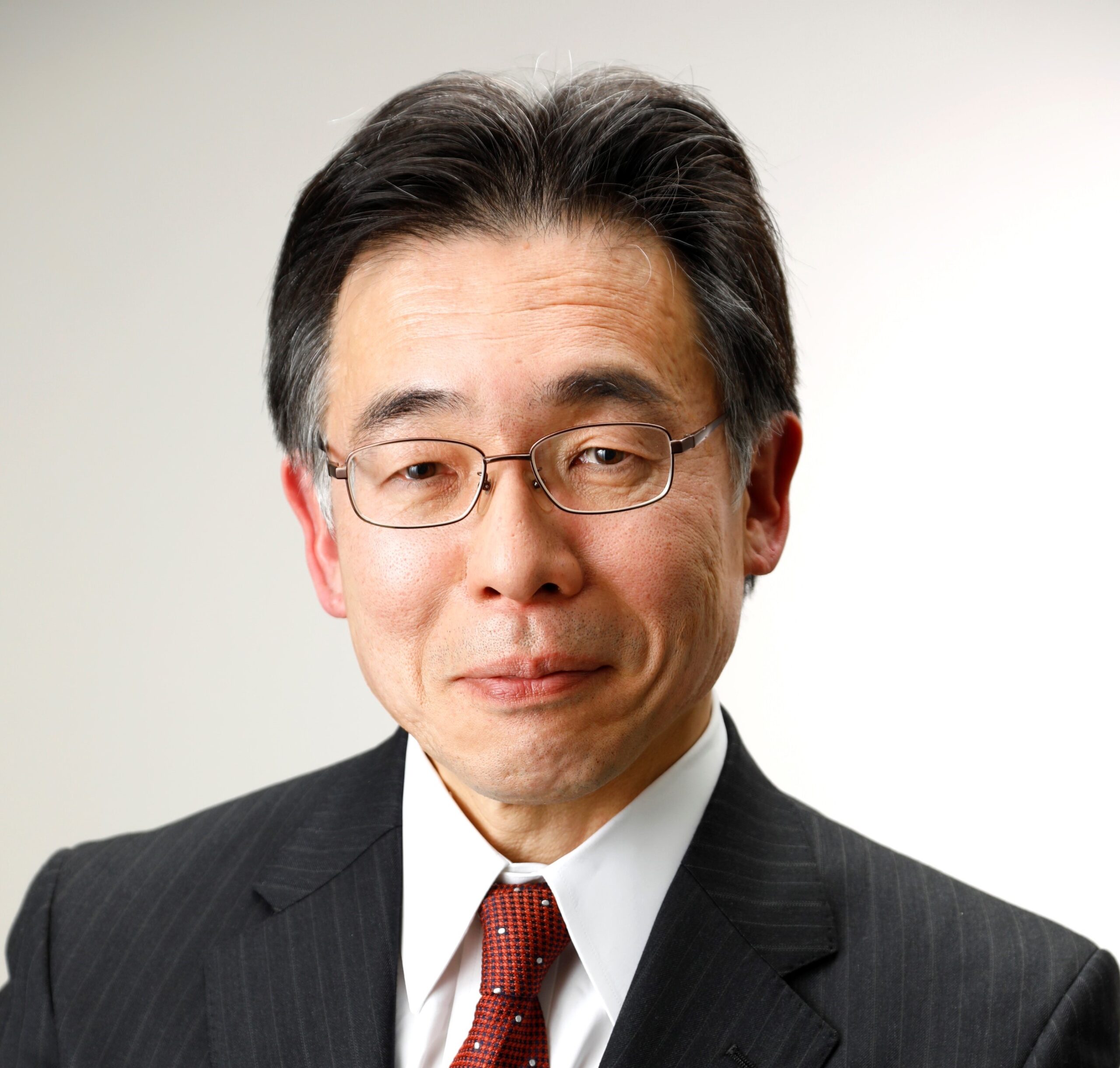
略歴Career
学歴
1. 東京大学 法学部 1985/03 卒業(法学士)
2. 東京大学大学院 法学政治学研究科 修士課程 1987/03 修了(法学修士)
3. 米国シカゴ大学 政治学部 大学院 博士課程修了 1995/12 修了(Ph.D.)
経歴
1. 米国シカゴ大学 政治学部 グロッツィンス賞 講師 1995/01-
2. 米国エモリ―大学 政治学部 客員講師 1995/09-
3. 米国エモリ―大学 政治学部 客員助教授 1995/12-
4. 東京都立大学 法学部 助教授 1996/07-
5. 東京都立大学 法学部 教授 2001/04-
6. 東京大学 社会科学研究所 助教授 2002/04-
7. 東京大学大学院 総合文化研究科 国際社会科学専攻 教授 2005/04-2026/03
8. 東京大学大学院 総合文化研究科長・教養学部長 2017/04-2019/03
9. 広島市立大学 広島平和研究所 教授 2026/04/01-現在
10. 広島市立大学 広島平和研究所 所長 2026/04/01-現在
Academic background
1. The University of Tokyo, Japan, Bachelor of Law 1985/03
2. The University of Tokyo, Japan, Master of Law 1987/03
3. The University of Chicago, Chicago, IL U.S.A. Ph.D. (Political Science)
Career
1. Grodzins Prize Lecturer, Department of Political Science, University of Chicago, Chicago, IL, U.S.A. 1995/01
2. Visiting Instructor, Department of Political Science, Emory University, Atlanta, GA, U.S.A. 1995/09
3. Visiting Assistant Professor, Department of Political Science, Emory University, Atlanta, GA, U.S.A. 1995/12
4. Associate Professor, Faculty of Law, Tokyo Metropolitan University, Tokyo, Japan. 1996/07
5. Professor, Faculty of Law, Tokyo Metropolitan University, Tokyo, Japan. 2001/04
6. Associate Professor, Institute of Social Science, University of Tokyo, Tokyo, Japan. 2002/04
7. Professor, Department of Advanced Social and International Studies, University of Tokyo, Tokyo, Japan, 2005/04-2026/03.
8. Dean of the Graduate School of Arts and Sciences, and Dean of the College of Arts and Sciences, University of Tokyo, Tokyo, Japan, 2017/04-2019/03.
9. Director, Hiroshima Peace Institute, Hiroshima City University, Hiroshima, Japan, 2026/04-present
10. Professor Hiroshima Peace Institute, Hiroshima City University, Hiroshima, Japan, 2026/04-present
研究テーマResearch Theme
- 武力不行使原則をめぐる国際政治
利害を異にする国家は、どのような条件の下で《意図のコミュニケーション》によって互いの行動についての期待を共有して不合理な戦争を回避することに失敗するのか。とりわけ国際法における武力不行使原則の例外の拡大解釈がなぜ意図せざる政治的帰結をもたらすのかに関心をもっている。 - 国内の秩序変動と国際の秩序変動との連動
《異質な他者との共存の枠組み》として政治秩序を捉えるならば、国内政治秩序の変動と国際政治秩序の変動はどのようにグローバル・ヒストリーをこれまで織りなしてきたのだろうか、そしてこれから織りなしてゆくのだろうか。
- Politics of Jus ad Bellum
Under what conditions do states fail to avoid irrational war through communication of intentions to share convergent expectation of reciprocal behavior in spite of their divergent interests? My research focuses on why an expansive interpretation of exceptions to the principle of prohibition against use of force in international law would bring unintended political outcomes. - Reciprocal Reconfiguration of Domestic and International Orders
Given the definition of political order as a framework of coexistence with diverse others, how can one conceptualize the way in which domestic and international orders have reconfigured and will reconfigure each other in the unfolding of global history?
大学生の皆さんへMessage to Students
1981年に大学に入学した私が、平和研究者として生きて行こうと考え始めたのは、あとから思えば、予期せざる冷戦終結(1989年~1991年)まであと数年という時期でした。しかし当時の私は、「現在の延長」としての未来以外を思い描く想像力を持ち合わせておらず、当然のように冷戦はこれからも続くだろうと思い込んでいました。そのように考えたものの、せめて米ソの冷戦対立が軍事化したのはそもそもなぜなのかということぐらいは、自分なりに理解したいと考えたのです。ちょうど冷戦初期の外交文書がアメリカで機密解除されて研究の進んでいた時期でした。
軍備増強は、たとえ戦争の抑止を意図するものであったとしても、かえって戦争を誘発しかねない。これは、安全保障の世界の常識です。ふたたび軍備増強のほかに戦争を抑止する方法はないと語られる時代だからこそ、軍事力だけに頼らない共存の枠組みについて考えてみるべきではないでしょうか。
In 1981 I entered college. Thus, it was just several years prior to the unexpected end of the Cold War (1989-1991) when I chose to pursue an academic career in peace research. But then I had no imagination what so ever to picture any future other than “a mere continuation of the present.” In other words, I simply assumed as given that the Cold War would go on and on. Yet I thought I should understand at the very least why the Cold War rivalry between the United States and the Soviet Union escalated into intensely militarized global confrontation in the first place. Coincidentally it was just about the time when archival documents in the early Cold War years were declassified and available for research in the United States.
Arms-buildup, even if intended to deter war, could nonetheless provoke war. This is common knowledge in the field of security studies. Precisely because we live again in the age when it is widely proclaimed that nothing but arms-buildup could deter war, we should give a serious thought to an alternative framework of coexistence without relying solely upon military forces.