大芝 亮(広島平和研究所長・特任教授)
*この記事は『Hiroshima Research News』69号に掲載予定のものです。
ニューズレター過去号はこちらから。
1 大学院平和学研究科の設置
2019年4月、広島市立大学広島平和研究所は大学院平和学研究科を設置し、大学院生の教育に取り組むことになった。私は、一度は広島で戦争と平和について学びたいと思っていたこともあり、広島平和研究所に赴任することにした。読売新聞が平和学研究科の教育プログラムについての記事を掲載してくれたおかげで、多くの知人から、平和のための活動に従事しようとする学生を被爆地・広島で育てることは非常に大切だという激励のことばをいただいた。
大学院平和学研究科では紛争後の平和構築や国際協力に関する授業もあることから、国際協力機構(JICA)を訪問し、JICA開発大学院連携プログラムの日本での受け入れ大学リストに加えてほしいとお願いをした。この事業では、開発途上国から日本の大学院に留学する学生に奨学金の提供も行っており、外国人留学生を受け入れるためにありがたい制度であると思ったからである。JICAでも好意的に対応していただいた。しかし、2020年春からコロナ禍が急速に拡大し、JICAの連携事業を活用する案はいったん棚上げせざるをえなくなった。
2 広島からの発信と受信
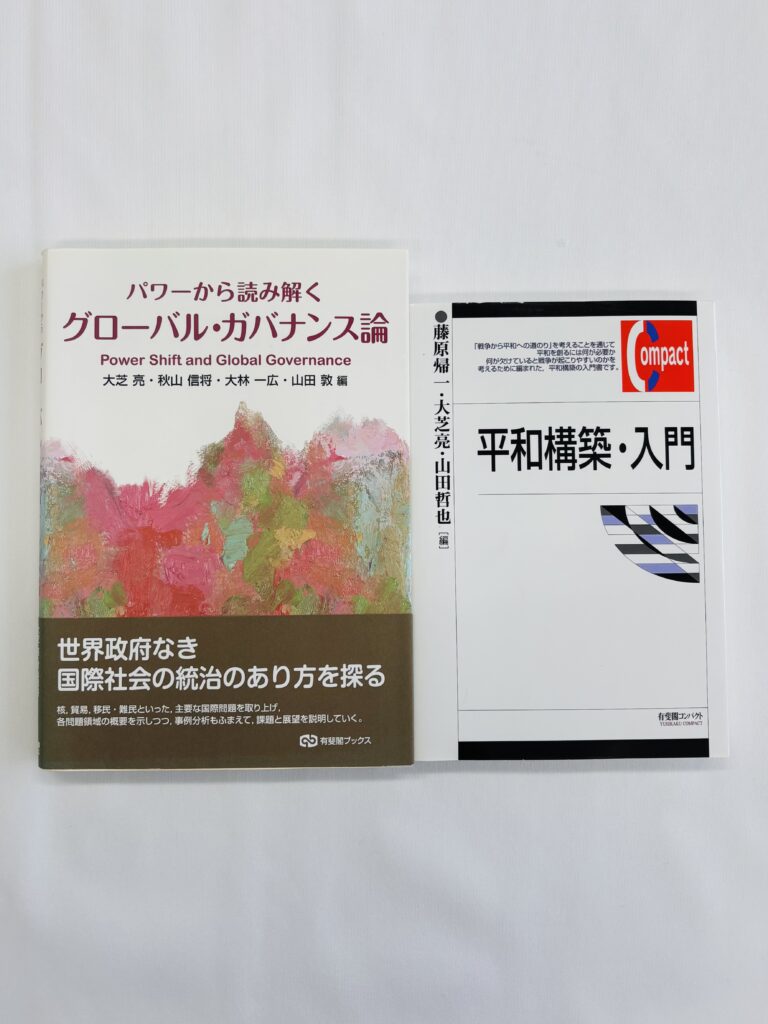
コロナ禍でいろいろと制約を受けている間に、広島平和研究所として全教員が参加して本を出版しようということになり、「広島発の平和学」を本のテーマとさせてもらった。というのは、私は、国際関係理論におけるパロキュアリズム(偏狭性)に関心があったからである。国際関係の理論は、グローバルな視点からの問いに基づき提起されることが多いが、それでも、研究者の国民としての歴史的体験や個人的な価値観から問いが発せられることも少なくない。実際に、アメリカで発展した理論のなかには、アメリカの歴史的経験や価値観に影響されているものも見受けられる。日本は、アメリカとは異なる歴史的経験も有することを考えると、日本発の理論があってもよいのではないかと考えた。
広島や長崎に投下された原爆は人間の尊厳を徹底的に破壊したが、それでも自己を回復し、この苦しみを世界の誰にも二度と味わわせないために核兵器の廃絶をめざしてきた取り組みの歴史を考えると、この点から広島発の平和学を提起していくことも必要ではないかと考えていたからである。
『広島発の平和学——戦争を平和を考える13講』が2021年に法律文化社から出版され、日本平和学会の学術雑誌『平和研究』の書評で取りあげていただいた。評者(中村長史先生)からは、本書は広島における原爆観と外からの原爆観とのズレについても配慮し、適切に議論しているとの評価をいただいた。広島における問題意識に基づく「発信」とともに、外からのまなざしにも目を配ること(「受信」)の重要性をあらためて感じた。
3 他学部との交流は楽しい
広島市立大学には、広島平和研究所以外に、国際学部、情報科学部、そして芸術学部がある。他学部の先生と話をすることは勉強にもなるし、なんといっても楽しい。
広島平和研究所では原爆関連資料のデータベース構築を検討していたので、情報科学部の田村慶一先生(当時副学長)にお願いして、データベースについての講習を研究所の教員向けに提供していただいた。
前田香織先生(現学長)と伊東敏光芸術資料館長(現名誉教授)からは、芸術資料館の作品と広島平和研究所の資料をそれぞれデジタル化して、広島市立大学デジタルアーカイブを構築する事業への呼びかけをいただいた。前田先生のおかげで公益財団法人図書館振興財団の助成金を得ることができ、事業を進められることになった。
こうして広島平和研究所においても、デジタルアーカイブ構築事業が動きはじめた。四條知恵先生および竹本真希子先生が中心となってアイデアを提供し、研究所メンバーで一丸となって資料収集・作成を行った。デジタルアーカイブ構築を目標としつつ、その過程で収集・作成した資料に若干の解説文を添えて『ヒロシマ調査・研究入門』(2025年)として出版した。大学生や大学院生などに対するガイドブックであり、卒業論文や修士論文作成において、資料館にある一次資料などを用いた調査・研究を始めるきっかけになることを願っている。
また、複数の資料館にまたがる横断検索システムの構築も目指しており、田村慶一先生のアドバイスのもとで、広島大学、広島市立大学、広島平和文化センター、広島市で組織するヒロシマ平和研究教育機構(2024年1月設立)で検討がなされている。こうした横断検索システムにより、広島の被爆体験や平和に関する研究が活性化されることを期待している。
4 芸術と平和
広島市立大学デジタルアーカイブ構築事業推進のおかげで、芸術資料館が所蔵する作品にオンラインでお目にかかることができた。「光の肖像」(芸術学部教員・大学院生・学生による被爆者の肖像画)、平和ポスター、「原爆の子の像(素描)」などである。これらの作品は広島市立大学デジタルアーカイブにおいてオンラインで見ることができる予定である。
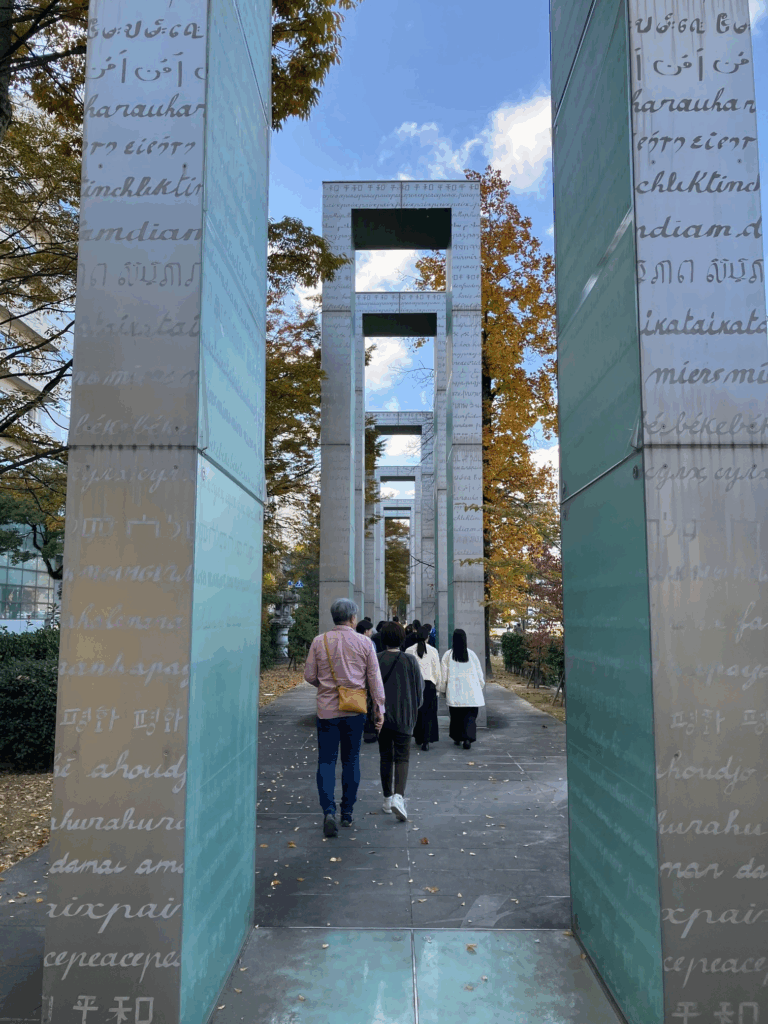
吉田幸弘芸術学部長からは、ご退任記念展の際に、広島の街にある先生の作品等について説明を聞くことができた。その中の1つとして、被爆60年の2005年にフランス政府が広島市に寄贈した「平和の門」がある。広島市がこれを受け入れ、設置するにあたり、広島の「平和の軸線」を念頭にしたレイアウトを行ったという。また、広島駅前にある戦前の優雅な猿猴橋の復元(被爆70年事業)について、街のご老人のお話を聞き、事実を確認しながら進めていったお話も伺った。
5 コミュニティとしての広島
かつての同僚(佐藤郁哉)は、『フィールドワーク 書を持って街に出よう』(新曜社、2006年)という本を出版している。広島はまさに、そのような街だと思う。大学のそとでも、行政、メディア、市民団体、企業などがさまざまなセミナーや活動を提供しており、これらに参加できる。
松井一實市長の「平和文化」についてのお話にも強い関心を抱き、市長のお話などを参考に、2022年11月、広島平和研究所の連続市民講座のなかで「平和研究と平和文化」と題する講義をさせていただいた。また、広島市のピースツーリズム推進懇談会では、原田浩・広島平和記念資料館元館長から、被爆50年の時に被爆建造物をどう残すのかをめぐり議論になったことを伺った。当時は、民間の建物の保存について国も県も注目していなかったが、広島市は独自事業として民間の建物について補助金を提供することにしたという。このようなお話は、ひとつには阪神淡路大震災や東日本大震災などの自然災害被災地の人々に伝えたい。というのも、これらの地域では被災遺構の保存や民間建物の保存をめぐり議論になっているからである。そして、もうひとつは、ウクライナやガザを見てもわかるように、世界には戦争や空爆で街を破壊され、苦しい生活を強いられている人々が存在している。広島の復旧・復興過程におけるさまざまな経験を語ることを通じて、こうした人々も応援していきたい。
中国新聞社、長崎大学核兵器廃絶研究センター(RECNA)と本研究所で、毎年、国際シンポジウムを開催している。準備段階から協議しながら企画しており、本研究所にとって、大変有益な交流の場となっている。
2023年5月にG7広島サミットが開催され、これに合わせて、内外の市民団体によるC7(シビル7)サミットも開催された。反核兵器NGOが人権NGOや環境・開発NGOを含む市民団体と連携を強めていく状況も観察することができた。さらに2024年12月に日本原水爆被害者団体協議会(日本被団協)がノーベル平和賞を受賞した。あらためて原爆被害生存者の方々の証言および生き様を聞き、自分自身の考え方などを見つめ直す機会となった。
6 恩返しは次世代に
米国のビジネススクールでは、knowing(知識)、doing(実践)に加え、being(自身を知ること〈竹内弘高先生の説明〉)を軸として、カリキュラムのバランスを見直す動きがしばらく前から始まっている。
私は、広島での7年間、大学のうち・そとで、核兵器・戦争・暴力と平和について学ぶとともに、さまざまな活動への参加を通じて、果たして平和研究の議論が現実世界を分析するうえで、どのような有効性と限界を有しているのか考えてきた。そして大学院生や市民の方々との議論を通じて、自分自身の価値観をも修正していった。もちろんビジネススクールと平和学研究科は同じではないが、広島でのさまざまな人とのコミュニケーションは、私にとり、まさにknowing、doing、beingのバランスのとれた教育カリキュラムの恩恵にあずかってきたといえるものであった。これを大学院生、大学生、そして高校生などの次の世代に返していきたい。
*本稿は『広島平和研究』第13号(2026年3月)に掲載されたエッセーを要約したものである。
My Seven Years in Hiroshima
Ryo Oshiba (Director and Specially Appointed Professor at HPI)
This article is forthcoming in the 69th issue of Hiroshima Research News.
Click here to see past issues of the Newsletter.
1 Start of the Graduate School of Peace Studies
I joined the Hiroshima Peace Institute (HPI) at Hiroshima City University when the Graduate School of Peace Studies was established in April 2019. I believed that Hiroshima is one of the best places to study about war, violence, and peace. The Yomiuri Shimbun, reported on our graduate program in peace studies. Friends/seniors of mine encouraged us, saying that Hiroshima is the right place to provide peace studies for the younger generations.
Staff members at the Japan International Cooperation Agency (JICA) also responded positively to our program during my visit to the JICA office in Tokyo. I requested that our Graduate School of Peace Studies be included in the partner university list of the JICA Development Studies Program which offers the scholarship for overseas students, as we offer courses on post-conflict, peace-building and international cooperation. However, we were unable to use the JICA program to increase the number of international students from developing countries due to the worldwide spread of COVID-19 after spring 2020.
2 “Speaking Out” from Hiroshima and “Receiving” in Hiroshima
We planned to publish a book of contributions by all HPI members under the title “Hiroshima hatsu no Heiwagaku (A Hiroshima Approach to Peace Studies)” because I was interested in the parochialism of International Relations theories while we were asked to stay at home due to the COVID-19 pandemic. International Relations theories are usually developed from our questions based on a global perspective, but with some appearing to reflect the researchers’ national historical experiences and their individual values. Some of the International Relations theories developed in the United States seem to be affected by American historical experiences and the belief systems that prevail there. Can we not develop Japanese International Relations theories based on Japan’s historical experiences, which differ from those of the United States?
The atomic bombs dropped on Hiroshima and Nagasaki resulted in the complete destruction of human dignity, yet survivors have recovered themselves and sought the abolition of nuclear weapons so that no one in the world would experience such a tragedy again. We believe that, as a peace research institute in Hiroshima, we should develop peace studies grounded in Hiroshima’s experiences.
Hiroshima hatsu no Heiwagaku (A Hiroshima Approach to Peace Studies: 13 Lectures on War and Peace) was published in 2021 by Horitsu Bunka Sha. A book review appeared in the journal of the Peace Studies Association of Japan in 2023. The reviewer, Prof. Nagafumi Nakamura, evaluated our book positively, arguing that it strikes a good balance between presenting Hiroshima perspectives on the atomic bomb and introducing viewpoints from outside Hiroshima. We should present not only Hiroshima perspectives but also listen to perspectives from outside Hiroshima.
3 Enjoying Communication with Other Departments
Our university has three departments-International Studies, Information Science, and Art-as well as the Hiroshima Peace Institute, and it is enjoyable to communicate with professors/staff from other departments.
Prof. Keiichi Tamura (then vice-President) of Information Science Dept. kindly provided a seminar on databases for HPI faculty members because we planned to develop a database of Atomic Bomb related materials.
Prof. Kaori Maeda (the current University President) and Prof. Toshimitsu Ito, the Director of the Art Museum (the Professor Emeritus) assumed leadership at Hiroshima City University to promote a project establishing a Hiroshima City University Digital Archives with the resources of the Art Museum and HPI. We conducted our project with a financial grant provided by the Toshokan Shinko Zaidan (Foundation for Library Advancement).
We developed HPI Digital Archives in this project. Two expert professors at HPI led the development of the database’s basic framework, and all other faculty and administrative staff participated in collecting information. We published the collected materials, along with brief explanatory articles to assist readers in understanding the contributions, as Hiroshima Chōsa Kenkyū Nyumon (Introduction to Hiroshima: Survey and Research) in 2025. We expect that both graduate and undergraduate students will use this research guide to conduct their research using documents/materials.
We are also planning to develop a cross-search system to facilitate academic studies using documents/materials. We are examining how to construct the system at the Hiroshima Platform for Peace Studies and Education, established in January 2024 and composed of Hiroshima University, Hiroshima City University, the Hiroshima Peace Culture Foundation, and the Hiroshima City Government. We wish to thank the strong leadership of Prof. Tamura Keiichi for promoting the project. I believe it will encourage research on the Hiroshima atomic bombing experiences and peace studies.
4 Art and Peace
I had the opportunity to explore parts of Hiroshima City University Art Museum’s Digital Archives, which will impress peace studies scholars. These include the Portrait of Light (Portraits of Hibakusha painted by faculty, graduate students, and undergraduate students of Dept. of Art), the Peace Poster series (exhibited in Hiroshima Appeals), drawings of the Genbaku no Ko no Zo (Children’s Peace Monument) and other works. You may visit the Hiroshima City University Digital Archives to view them online.
Prof. Yukihiro Yoshida told us fascinating stories about the design of his works and other peace monuments. For example, the Heiwa no Mon (Peace Gate monument) was donated by the French government to Hiroshima City on the 60th anniversary of the Atomic Bombing. Prof. Yoshida told us that the layout for installing the Peace Gate was designed considering the “Axis of Peace.” He also spoke about the process of restoring Enko Bridge, an elegant bridge designed in the pre-War period, through collaboration with long-time community residents. Hiroshima City regarded this project as one of the activities for the 70th anniversary of the Atomic Bombing.
5 Hiroshima as a Community
One of my former colleagues (Prof. Ikuya Sato) has published a book entitled Fi-rudo Wa-ku: Sho wo Motte Machi he Deyou (Fieldwork: Off with a Book, Shinyosha, 2006). I believe Hiroshima is a fitting place for it. We were able to know many things outside the campus through various seminars and activities organized not only by the city government but also by the media, civil organizations, and business organizations.
I became interested in Mayor Kazumi Matsui’s ideas on Peace Culture, and I delivered a talk entitled “Peace Studies and Peace Culture” at the HPI Public Lecture Series in November 2022. I also had a chance to hear stories of Mr. Hiroshi Harada, former director of the Hiroshima Peace Memorial Museum. He told us in the Hiroshima Peace Tourism Meeting that they discussed how to preserve the Atomic Bombed buildings at the time of the 50th anniversary of the Atomic Bombing. They decided to provide subsidies to privately owned buildings, even though neither the national government nor the prefectural government did so. I hope we will share those stories in two ways. First, I would like to inform people who are examining how to maintain disaster-affected buildings, say in Hyogo and Tohoku. Second, I believe Hiroshima should support them by sharing our experiences of reconstruction and recovering ourselves with the people suffering from the destruction caused by war and air attacks, e.g., in Ukraine and Gaza.
HPI has organized an annual international symposium in collaboration with the Chugoku Shimbun and the Research Center for Nuclear Weapons Abolition, Nagasaki University (RECNA). It has been a fruitful exchange of ideas with them in designing and preparing the symposium.
We had the G7 Hiroshima summit in May 2023. In parallel, civil society actors organized the Civil 7 meeting, working together with domestic and international NGOs in response to the summit. I strongly welcome the linkage of NGOs engaging in anti-nuclear issues, human right issues, environmental issues, and development issues. The Nobel Peace Prize was awarded to the Japan Confederation of A- and H-Bomb Sufferers Organizations in 2024. This news has reminded us of the importance of the testimonies of atomic bomb survivors and the way they live, which prompts us to reflect on our own lives.
6 Give Back to the Next Generation
Business schools in the United States have begun to re-examine their educational programs from the perspective of how well they balance knowing, doing, and being.
I am thankful to the people of Hiroshima for giving me many opportunities to know about nuclear weapons, war, violence, and peace. I could engage in doing various activities checking the usefulness of our peace studies. And, I have re-examined my being and my value system through discussions with our graduate students as well as people from diverse backgrounds. These communications function like an educational program that balances knowing, doing, and being although business school and the Graduate School of Peace Studies are of course different from each other. I would like to pass this knowledge and experience on to the younger generation, including graduate and undergraduate students, and young people in high schools.
*This text presents a condensed version of my essay published in Hiroshima Peace Research Journal, vol. 13 (March 2026).